
Our time in Buenos Aires was mostly transitional. We were there to just spend the night, get pesos and install an eSIM card on Gus’s phone before heading down to Ushuaia.
After landing we took a remis to our hotel where we checked in and left to hunt for the closest Western Union to pick up pesos. The last time we were in Argentina, we used ATMs exclusively to get pesos and now we were going to use Western Union. Yes that Western Union, the preferred money transfer service of Nigerian Prince and Online Daters to scam gullible people out of their lifesavings. Now it’s the preferred method for bewildered tourists to get pesos in Argentina. Is there a connection? Did I mentioned that a lot has changed in 7 years.
Turning Your Greenbacks to Blue Dollars
I am not going to pretend I understand, let alone attempt to explain Argentina’s economy. Just know it’s a mess, triggering high inflation and its current currency crisis which has led to different rates of exchange for foreign currency.
Argentina has three exchange rates:
- There’s the official exchange rate set by the government which is the rate you get if you used your ATM card or went into the bank to exchange USD.
- There’s the Blue Dollar Rate, the unofficial official rate which can be about 30% to 50% higher than the official government rate. Technically it’s the black market rate but since it is somewhat sanctioned (wink, wink) by the government it’s called the Blue Market.
- There’s also the tourist rate, the rate for credit card transactions but we won’t get into that.
Let’s just focus on the Blue Dollar Rate.
To get the blue dollar rate you can stroll down Calle Florida in Buenos Aires and look for some Abuelita whispering “Cambio”, “Cambio”. Once you decide which Abuelita looks the most trustworthy, she will take you to some shady looking place or Cueva to exchange money. Cueva means cave in English and that in itself should tell you to proceed at your own risk. Though many travelers have done this with no problem there is a risk of getting counterfeit bills or worse, robbed. OR you can go to Western Union, a trusted US institution, to get pesos at the Blue dollar rate (Did I mention that it’s the preferred money transfer service for scammers and money launderers?). All you need to do is signup for an account, send yourself money and pick it up at the many Western Unions or Rapipago. Of course there is still a chance of getting robbed outside of the Western Union but for us this was safer than visiting a Cueva on Calle Florida.
Are those Argentinian Pesos in your pocket or are you just happy to see me?
Picking up our pesos from Western Union went smoothly. We read about horror stories of long lines or money running out. We were in and out within minutes. The clerk verified my identity and after counting out $100 USD worth of pesos, we received a 2 inch thick slab of 1000 peso bills. Gus asked if we can get bigger denomination but the clerk told us that they didn’t print that many. We managed to squeeze the stack of pesos into our money belt and walked out. We just hoped that no one would notice the unusual bulge coming from Gus’s pants. Note: Our exchange rate was $1,095 pesos to $1USD. The official exchange rate was $750 pesos to $1USD.
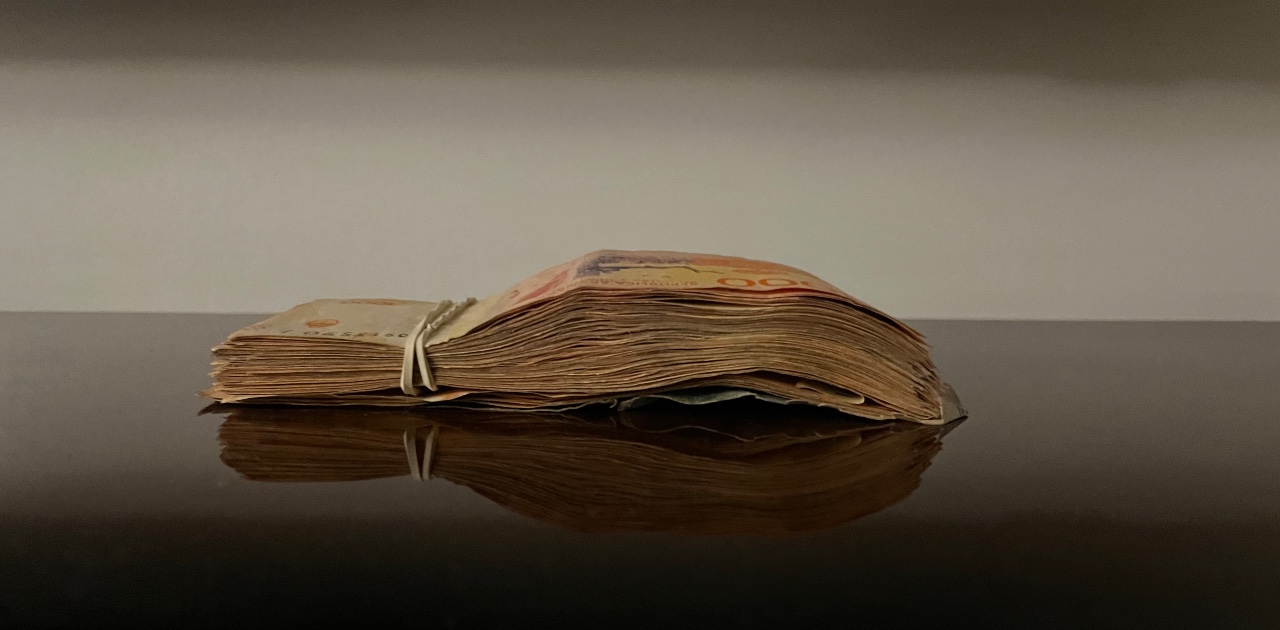
$100,000 Pesos
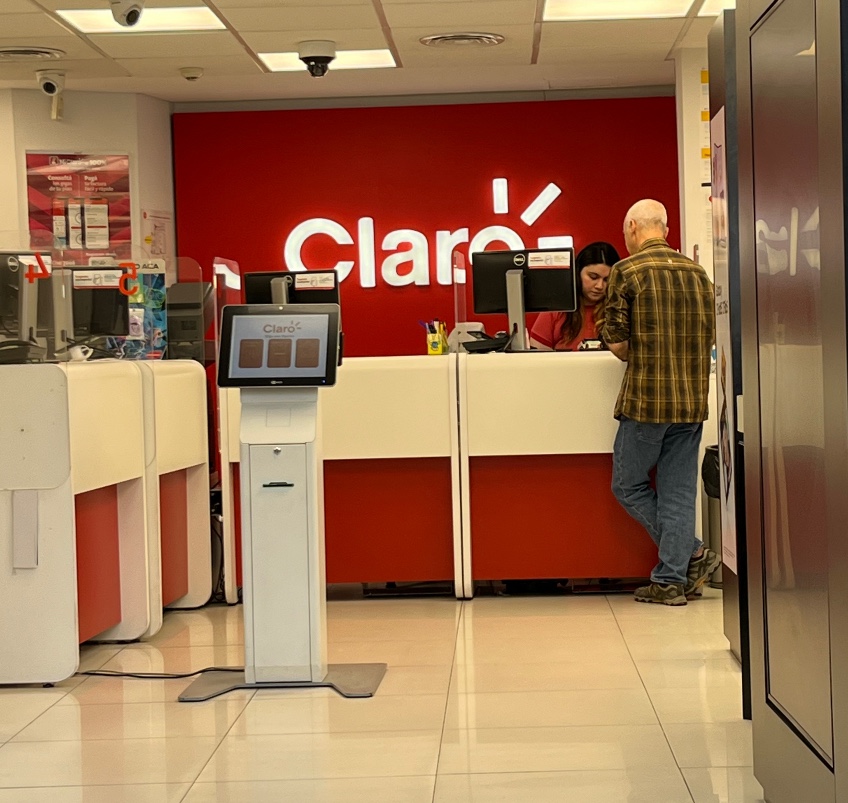
Our next errand was to find a Claro store to get an eSIM card installed. We didn’t want to rely on spotty wifi service or subject ourselves to Verizon’s Travel Plan. We chose Claro because they are the most well known and has the best coverage throughout Argentina. At Claro, we were offered 25GB for $8,000 pesos good for 30 days. This was definitely cheaper than Airalo, an online eSIM provider which offered 6GB for $26USD.
After our “productive” day, we went back to the hotel to take a much needed nap before dinner.
Transportation
Instead of a taxi we took a remis, a car service with a fixed rate which can be prepaid by credit card. It cost us about $39,000 pesos. Since we didn’t have pesos we asked the driver if he takes tips in USD. He was very happy to receive USD.
Stay
We chose this hotel because it was close to the Aeropuerto Jorge Newberry the local airport our flight to Ushuaia was flying out of. The rooms were simple, modern and comfortable. It was away from the main part of town so it was pretty quiet.
Eats
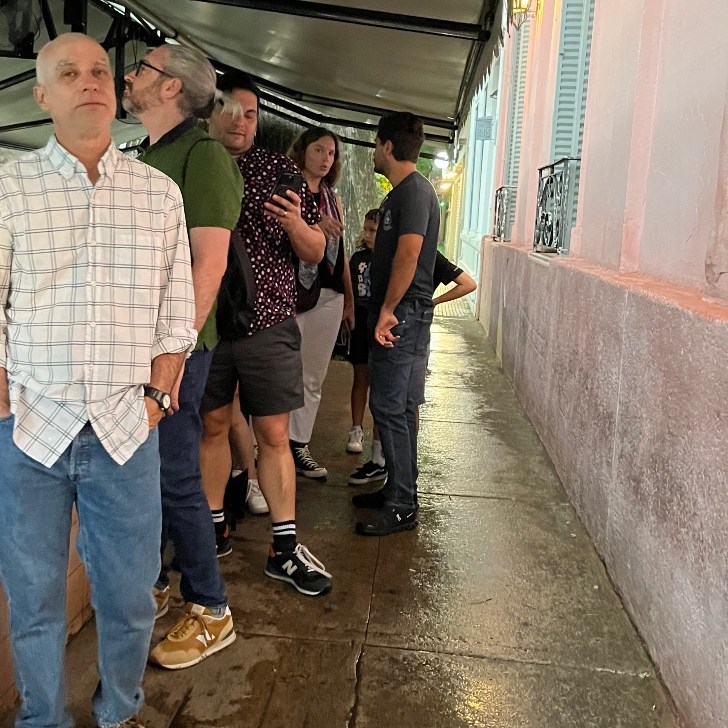
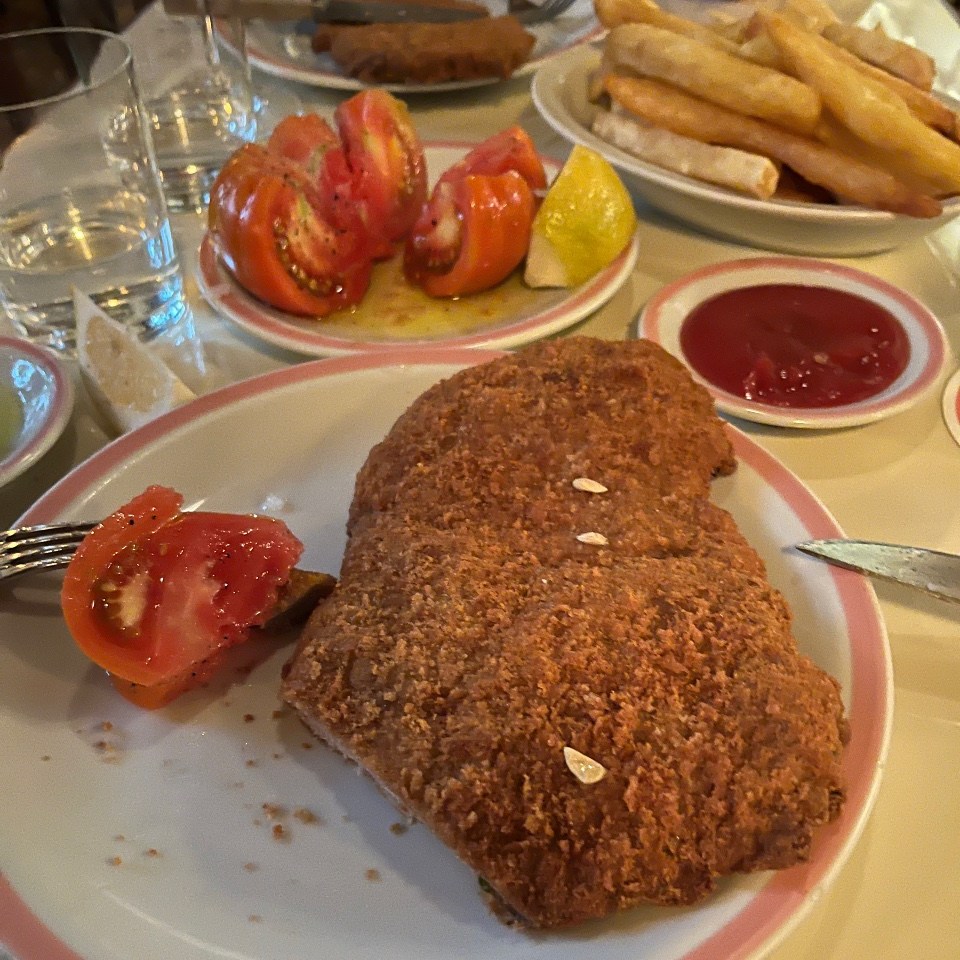
Our first choice for dinner was La Carniceria but they didn’t open til 7pm and we didn’t want to have a late dinner. We went to El Preferido de Palermo, a Michelin listed restaurant, on everyone’s top list and managed by the same owners of the excellent Don Julio. Thinking we could grab an early dinner we arrived around 6:00pm (yes that was a long nap) and found out that they too did not open until 7pm. We were told that lining up starts at 6:30pm for those who did not have reservations. We waited 1/2 hour in a rainstorm with about 30 other people who were willing to stand in line while getting wet. The restaurant serves classical Argentinian dishes. Gus and I both split a Milanese Bife de Chorizo and a Tomato Salad. Dinner was good but not anything special. By the time we finished dinner the rain had stopped.


Leave a Reply